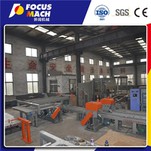
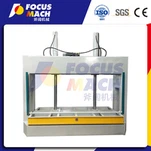
What is the composition of the plywood production line?
A series of tools and machinery used to process logs or wood veneer into plywood is called a plywood production line.
What machines are included in the plywood production line?
Wood peeling machine, veneer rotary cutting machine, veneer dryer, gluing machine, hot press, sawing machine and sanding machine become a typical plywood production line.
How does the plywood production line work?
After removing the bark, the logs are cut into veneers of the desired thickness. To make plywood, the veneers are dried, glued together and then heated to high temperature and pressure in a press. After pressing, the plywood is trimmed to the desired size, polished smooth and ready for further manufacturing or transportation.
What are the advantages of plywood production line?
Plywood production lines can produce large amounts of uniform, high-quality plywood at a lower cost. It also helps increase production and reduce labor costs.
What factors do you need to consider when purchasing a plywood production line?
When purchasing a plywood production line, capacity, price, availability of replacement parts, technical assistance, the manufacturer's reputation, and the quality and reliability of the equipment are all important considerations.
What kind of maintenance does plywood production line require?
For optimal performance and service life, regular maintenance is required, including cleaning, lubrication, inspection and part replacement.
How long does it take to set up a plywood production line?
The time required to set up a plywood production line varies, often taking several months, depending on variables such as line size, equipment complexity, and resource availability.
What are the safety precautions when operating a plywood production line?
It is important to keep the plywood production line safe. Operators need to be trained, follow safety procedures, wear personal protective equipment, keep machine guards in place, and conduct regular safety checks.