

Sanding Machine
-
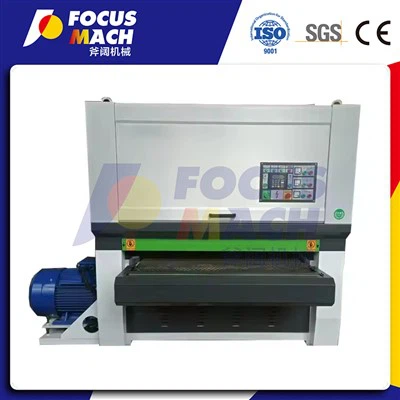 Custom Plywood Wide Belt Sanding MachineThe Custom Plywood Wide Belt Sanding Machine is engineered for precision and durability, ideal for wood, plywood, and MDF processing. Featuring a heavy-duty machine body, it ensures stability andAdd to Inquiry
 -
 MDF,Chip Board,Plywood,Melamine Board Sanding MachineThe air cushion is equipped with an automatic step-up lifting device. When the processed plate passes by, the air cushion will automatically press the sanding belt to grind the plate. When theAdd to Inquiry
 -
 Heavy-duty Wide Belt Calibrating Sanding MachineHeavy-duty Wide Belt Calibrating Sanding Machine. . A high-power, precision woodworking equipment designed for thickness sanding, surface polishing, and back texturizing of panels. Suitable forAdd to Inquiry
 -
 Wood /MDF /Plywood Sander Machine /Sanding MachineHigh strength body, high precision and high speed spiral planing roller, bearing marble platform wear no deformation, easy to adjust the eccentric steel roller and the rubber roller, high precisionAdd to Inquiry
 -
 Automatic 1300mm Width Woodworking Wood Sanding MachineThe machine adopts the overall welded frame structure, with strong rigidity, good stability and long service life of the machine. Adopting foundry frame, the sanding units can not be distorted andAdd to Inquiry
 -
 Wood Sanding Machine For Plywood VeneerSanding machine of this series is used for wood products' surface calibrating sanding and fine polishing. It has very good performance for products such as film faced plywood, melamine laminatedAdd to Inquiry
 -
 Plywood 1300mm Sander Machine Wide Belt Sanding MachineLong Service Life and Reduced Maintenance: This Woodworking Plywood Solid Wood Flooring Precise 1300mm Wood Floor Sander Machine is designed for durability, ensuring a long service life andAdd to Inquiry
 -
 Plywood Automatic Sanding Machine Wood Sander MachineHigh Productivity: This machine is designed to provide high productivity, making it an ideal choice for busy manufacturing plants, construction sites, and woodworking shops, where efficiency isAdd to Inquiry
 -
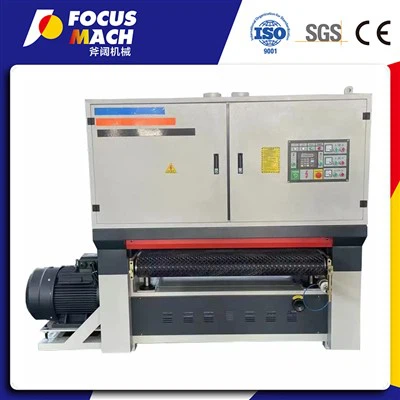 Sanding Machine Wood Sander Machine For Woodworking Machi...The sand roller used has a monolithic structure and can be divided into three parts, which are respectively 9mm wall thickness seamless steel pipe, plus an eccentric shaft machine made of roundAdd to Inquiry
 -
 Mdf Plywood Woodwork Calibrate Wide Belt Sanding MachineMdf Plywood Woodwork Calibrate Wide Belt Sander Sanding Machine Mdf Edge Polish Machine for Wood Manufacturing Plant Spare Parts.. Our advanced welding creates seamless, ultra-stable frames.Add to Inquiry
 -
 HANVY Calibrating Sanding Machine For Plywood VeneerHeavy-duty plywood sanding machines address the issues of low precision, limited production capacity, and high labor costs in traditional sanding processes through their high-precision,Add to Inquiry
 -
 Automatic Plywood Double Side Sanding MachineAutomatic Sanding Machine. . This machine is one of the necessary equipment for thickness adjustment, fine sanding, and polishing of fiberboard, shaving board, plywood board, man-made board andAdd to Inquiry


What is Sanding Machine
Wide belt sanders are highly versatile machines that work well for a variety of woodworking applications. These powerful industrial solutions make use of combinations of contact drums and platens to finish wooden surfaces, holding tight tolerances while providing an exceptional end product.
Advantages of Sanding Machine
Quickly Cover Large Surfaces: Wide belt sanders have the advantage of allowing operators to sand large surfaces in less time than if they were using handheld sanders. While portable sanders are useful for small jobs, wide belt sanders are better equipped for the challenges of high-demand production environments. If you face tight deadlines and have a lot of stock to sand, you'll probably want to invest in one of these bigger units.
Digital Calibration: A digital thickness gauge provides operators with precise measurements, making it possible for them to perform highly accurate finishing. Moreover, wide belt sanders with digital thickness gauges are easy to calibrate and retain memory automatically, ensuring consistency across operators.
More Versatile: Since they are easy to configure, wide belt sanders support a wide range of applications. You can change the abrasive belt to achieve different results on the surfaces you're working with. For example, some types of wood are softer than others and require a different type of abrasive. Other woods have a combination of both soft and hard areas, and the ability to switch belts when needed can help you process them properly.
Consistent Results: Wide belt sanders provide more consistent results than portable belt sanders. A manual sander can easily oversand a surface due to the power of belt sanders. Wide belt sanders eliminate the need for a steady hand, which makes consistent results easier to achieve. Consequently, these tools are ideal for replicating results in large batches.
Why Choose US
Our Product
Veneer Peeling Machine, Veneer Dryer Machine, Glue Spreader Machine, Cold Press Machine, Hot Press Machine, Edge Sawing Machine, Sanding Machine, Particleboard OSB Line, MDF HDF Line, Short Cycle Lamination, Hot Press Boiler Lifter Table, Plywood Paving Line, Overturner Machine, Core Composer Machine, Putty Spreader Machine, Glue Mixer Machine
Product Application
Furniture manufacturing, House decoration, Construction engineering, Packing, Flooring, Container manufacturing, Shipbulding, Trains manufacturing etc.
Our Certificate
BV, COC, Trademark, Member of Linyi Exhibition Association, Member of Linyi Import & Export Association, Member of Linyi E-commerce Industry Promition Association
Production Equipment
More than 80 types of machining equipment, including ordinary lathes, milling machines, planers, grinders, drilling machines, etc., including more than 20 CNC machine tools, have advanced and complete machining capabilities.
Production Market
North America countries, Middle America countries, South America countries, Southeast Asian countries, Middle east countries, African countries etc.
Our Service
① Before sales: Provide whole wood-based panel production solutions and consult service.
② In sales: Report manufacturing progress in time, free containers loading, 100% machines fixing in containers, containers loading video & photos record.
③ After sales: Machines unloading guidance, overseas machines installation & debugging and free production guidance in customers' factories.
Most wide belt sanders operate the same. A height-adjustable table sits beneath the wide abrasive belt. You should raise the table so that the space between the table and the belt is slightly less than the thickness of the wood you're sanding. You can then place your wood on the table bed where the conveyor will run the wood through the machine. The abrasive belt sands the wood to the specified thickness as it passes through the machine.
The width of a wide belt sanding machine allows you to sand wide pieces of wood, but you can also run multiple smaller pieces of wood through the sander at the same time. As a general rule, the more of the bed you use, the less you'll want to sand off with each pass through the machine. Trying to remove too much material at one time can lead to belt tracking issues, wavy surfaces on the workpiece, or belt burning.
Specifications of Sanding Machine
Single Head Wood Calibrating Sander machine
1. This calibrating sander machine is mainly used for thickness calibrating plywood,particleboard, MDF etc.
2. Overall welding frame structure, long service life, high rigidity.
3. Big sanding roller diameter, accurate dynamic balancing,high precision. ensures good sanding performance.
4. Multiple safety design, safe and reliable.
5. International brand advanced electrical components, less trouble, more stable.
|
Technial Parameters |
|
|
Sanding Width |
40~1300mm |
|
Sanding Thickness |
2.5~110mm |
|
Sanding Length |
>780mm |
|
Abrasive belt speed |
20m/s |
|
Size of Abrasive belt |
1330x2620mm |
|
Motor for sanding head |
55kw |
|
Feeding motor |
7.5kw |
|
Lifting motor |
0.75kw |
|
Brushing motor |
0.75kw |
|
Feeding speed |
20~40m/min |
|
Operating pressure |
0.6~0.8Mpa |
|
Capacity of suction extraction |
7900cbm/h |
|
Machine Size |
2100x2900x2440mm |
Choosing the Best Wide Belt Sander for Your Application


Determine Your Requirements:
Before diving into the wide belt sander market, assess your specific requirements. Consider factors such as the type and size of materials you'll be working with, desired sanding width and thickness capacity, production volume, and budget constraints. Understanding your needs will narrow down the options and help you make a more informed decision.
Sanding Width and Capacity:
Wide belt sanders come in various widths, typically ranging from 24 to 60 inches or more. Choose a sander with a width that accommodates your largest workpieces comfortably. Additionally, consider the maximum thickness capacity of the sander to ensure it can handle your material thickness requirements without limitations.
Sanding Performance and Features:
Evaluate the sanding performance and features offered by different wide belt sanders. Look for features such as variable speed control, adjustable sanding pressure, automatic thickness adjustment, and electronic tracking systems. These features enhance versatility, precision, and efficiency in sanding operations, leading to higher-quality results.
Power and Motor Size:
The power and motor size of a wide belt sander directly impact its sanding capabilities and productivity. Opt for a sander with adequate power to handle your workload efficiently. Consider factors such as motor horsepower, belt speed, and feed rate to ensure optimal performance and consistent results.
Dust Collection System:
Effective dust collection is crucial for maintaining a clean and safe working environment while operating a wide belt sander. Choose a sander equipped with a reliable dust collection system that efficiently captures and contains dust and debris generated during sanding. This not only improves air quality but also reduces cleanup time and maintenance efforts.
Quality and Durability:
Invest in a high-quality wide belt sander from reputable manufacturers known for their reliability and durability. Consider factors such as build quality, materials used, warranty coverage, and customer reviews to gauge the overall quality and longevity of the sander. Prioritize long-term performance and reliability over short-term cost savings.
Budget Considerations:
While it's essential to prioritize quality and performance, it's also important to stay within your budget constraints. Compare prices from different manufacturers and suppliers to find a wide belt sander that offers the best value for your investment. Consider long-term cost savings, such as reduced maintenance and downtime, when evaluating the overall cost of ownership.
Use Sanding Machine to Process Wood Boards and Panels
When you're using your wide belt sander to process wood boards and panels, you want to ensure that you're using the best abrasive for each type of workpiece, from raw to coated to semi-finished.
Aluminum Oxide: Aluminum oxide is one of the most commonly-used abrasives in woodworking shops due to its versatility and affordable price tag. It can strip away old paint and varnish and does an especially good job on harder woods like oak, maple, and walnut.
Zirconia: Zirconia sanding belts break down as they work, making them ideal for sanding down rough wood surfaces and removing sharp edges. They are also a good choice for sanding ceramic finishes off of wood floor boards.
Silicon Carbide: Silicon carbide is a hard abrasive that works effectively on both softwood and hardwood. Like zirconia, it's also appropriate for sanding away ceramic finishes. The ability to remove material without high heat buildup makes it ideal for finishing stabilized wood.
Ceramic: Ceramic can be used for removing paint, primers, wood stain, and rough spots on wood. However, caution must be used to prevent scorching due to its aggressive cut and powerful performance. Being friable, ceramic constantly delivers a sharp cutting surface, increasing the already impressive longevity of the product.
Whichever abrasive you choose, make sure that you store the wide belts correctly before and after use. Storage temperatures should be between 60°F and 80°F, and relative humidity should be at least 45%. You'll want to remove them from their original packaging at least 24 hours before use and hang them on non-metal racks so that they're at least 4” from the wall and one foot off the floor. To prevent deterioration, keep your belts away from concrete floors and damp areas.
A Guide to Proper Operation and Usage of Wide Belt Sanders
Before powering up the wide belt sander, prioritize safety. Don appropriate personal protective equipment, including safety glasses and hearing protection. Familiarize yourself with the machine's emergency stop features and the location of dust extraction systems to maintain a safe working environment.
Material Placement: Position the material on the conveyor belt, ensuring it is evenly distributed and properly aligned.
Initial Pass: Begin with a light pass to gauge the effect of the abrasive on the material. Adjust settings as needed before proceeding.
Consistent Pressure: Maintain consistent pressure on the material as it moves through the sander. Avoid excessive force, as this can result in uneven sanding.
Monitor Feed Speed: Adjust the conveyor speed to match the rate at which the material is fed through the sander. This ensures a uniform finish.
Inspect and Refine: Periodically inspect the sanded surface and make any necessary adjustments to achieve the desired finish.
Many modern wide belt sanders come equipped with advanced features such as variable speed control, digital thickness readouts, and automatic belt tracking. Familiarize yourself with these features to enhance precision and efficiency.
Regularly empty the dust collection system to maintain optimal performance and ensure a clean workspace. Follow the manufacturer's guidelines for routine maintenance, including belt changes and lubrication.
Should you encounter any issues during operation, consult the user manual for troubleshooting guidance. Common issues include belt tracking problems, uneven sanding, or motor issues.
What Precautions Should Be Taken When Using a Sanding Machine
Safety Precautions: Always wear appropriate personal protective equipment (ppe), such as safety goggles, gloves, and a dust mask, to protect yourself from potential hazards.
Familiarize Yourself With The Machine: Read and understand the manufacturer's instructions and operating manual before using the sanding machine. Be aware of its features, controls, and any specific safety guidelines provided.
Setup And Workspace: Ensure that the machine is set up on a stable surface and that the workspace is clean and well-lit. Remove any obstacles or debris that could interfere with the operation of the machine.
Workpiece Preparation: Make sure the workpiece is properly secured or clamped in place to prevent movement or instability during sanding. Check for any protruding nails, screws, or other objects that could damage the or cause accidents.
Choosing The Right Brush: Select the appropriate attachment for the desired sanding task. Different brushes may be required for different materials or surface finishes. Consult the manufacturer's recommendations or seek expert advice if unsure.
Adjustments And Settings: Set the machine to the desired speed, pressure, and depth of cut based on the material and the level of sanding required. Make gradual adjustments and test on a small area before proceeding with larger surfaces.
Feed Direction: Always feed the workpiece against the rotation of the brush. This helps ensure a consistent and smooth sanding action while minimizing the risk of kickback or loss of control.
Even Pressure: Apply even pressure across the entire surface of the workpiece to achieve uniform sanding results. Avoid excessive pressure, as it may lead to overheating, uneven sanding, or premature wear of the brush.
Dust Extraction: Connect the sanding machine to a suitable dust extraction system or use a dust collection bag if provided. Regularly clean or replace the dust collection components to maintain efficient operation and minimize airborne dust.
Maintenance And Cleaning: Maintenance And Cleaning: ine, brushes, and any attached accessories thoroughly according to the manufacturer's recommendations. Inspect and replace worn or damaged parts as needed to maintain optimal performance.
Daily Maintenance of Sanding Machine
Sanding machine conveyor belt has high friction coefficient, can effectively absorb the processed products, can store and remove the sawdust generated in the processing process, so it is widely used in the sanding treatment of wood, stone or other plates.
First of all, the double-sided sander conveyor belt should have these characteristics: Uniform stripes, uniform thickness, wear resistance, anti sliding, cushioning and shock absorption, stable operation, stable size, high friction, strong adsorption force, flat joint, ensuring high precision of sander, uniform thickness, high elasticity, high flatness, and smooth sliding on the workbench.
Next, let's talk about the daily protection of the conveyor belt of the sanding machine
When the belt of sanding machine is working, it is necessary to select suitable temperature and chemical environment.
According to the characteristics of conveyor belt materials and application environment, select the appropriate conveyor belt.
Pay attention to the smoothness of the idler, but do not grease the conveyor belt. Also to prevent the material from covering the roller, resulting in poor reversal, damage to the conveyor belt.
Prevent the sanding machine from starting with load, and ensure that there is no material residue on the conveyor belt when it is shut down.
In order to prevent the sanding machine conveyor belt deviation phenomenon, we should pay more attention to and protect it. Once there is deviation, measures should be taken to correct it in time;
When the sanding machine conveyor belt is found to be damaged, timely repair should be carried out to prevent the expansion of the damaged mouth.
Prevent sanding machine from being blocked by structure and block materials. Sharp objects are not allowed to scratch the surface of conveyor belt.
Adjust the tension in time to prevent unnecessary material stretching due to relaxation.
Sanding machine conveyor belt surface stains can be washed with neutral detergent, perhaps use alcohol, pine scrub. The use of pure benzene chemicals is prohibited.
FAQ
As one of the leading sanding machine manufacturers and suppliers in China, we warmly welcome you to buy durable sanding machine for sale here from our factory. All machines are with high quality and competitive price.
Single Side Sanding Machine, Double Sides Two Heads Sanding Machine, Polish Sanding Machine