

Veneer Drying Machine
-
 Construction Industries Applicable Dryer Machine For Wood...Widely applied in plywood mills, decorative panel manufacturing, and engineered wood product facilities, this dryer ensures superior veneer quality with minimal defects while achieving significantAdd to Inquiry
 -
 Automatic 15-Layer Hot Press Veneer Dryer MachineKey Features:Powerful Pressing System: 50-ton pressing force with φ100mm large-diameter alloy steel cylinderPrecision Control: ±1℃ temperature accuracy with intelligent temperature controlAdd to Inquiry
 -
 Plywood Core Veneer Drying Roller Face Veneer DryerIn the veneer production line, the veneer dryer machine serves the purpose of drying sliced or peeled veneer. It is composed of an inlet, a drying area, a cooling area, and an outlet. To enhanceAdd to Inquiry
 -
 Wood Roller Veneer Dryer For Plywood MachineryThe plywood dryer is a highly efficient drying equipment specifically designed to meet the moisture evaporation requirements in the plywood production process. Through a scientific hot airAdd to Inquiry
 -
 Solid Press Veneer Dryer MachineThe Solid Press Veneer Dryer Machine is an industrial-grade drying system designed for efficiently drying veneer sheets while maintaining flatness, stability, and quality. It combines heat pressAdd to Inquiry
 -
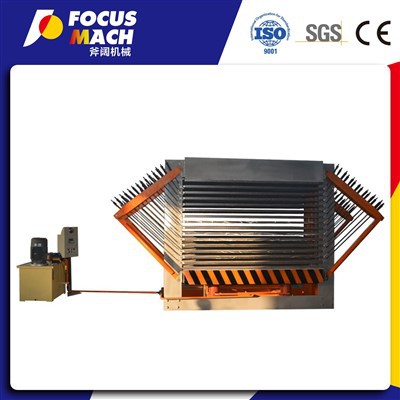 Automatic Wood Based Panels Machinery Veneer DryingThis machine is a medium to large-sized multi-layer hot press, suitable for the artificial board industry. It features high production capacity, wide processing range and stable pressure application.Add to Inquiry
 -
 Core Veneer Roller Dryer Machine /Drying Capacity 80 Cbm ...Wood Veneer Drying Machine. It can dry various of tree species with the advantages of high efficiency, energy conservation, safety and reliability, short drying cycle, good drying quality, and lowAdd to Inquiry
 -
 4 Deck 28M Veneer Roller DryerRoller Dryer working width 3200mm (4400,5200,2650mm);. Working deck number 4 (or 3). Heating chamber length 2m/section,chamber number accordingly veneer mill/plywood mill capacity;. Cooling chamberAdd to Inquiry
 -
 32M 4 Deck Biomass Roller Veneer Drying Line4 deck 32m veneer roller dryer has the veneer drying capacity of 6 m³/ h. 4 deck Veneer Dryer is equipped with automatic temperature control and speed regulation system, which can accurately controlAdd to Inquiry
 -
 38M 4 Deck Wood Veneer Dryer MachineThe biomass burner can burn all kinds of waste wood directly to reduce the drying cost mostly. Compared to steam type or heat conduction oil type veneer dryer, the drying cost is reduced greatly.TheAdd to Inquiry
 -
 Automatic Veneer Roller DryerThe 3 or 4 decks veneer roller dryers produced by FOCUS Machinery have the aesthetic appearance, automatic feeder, and veneer collection system. . The comprehensive drying cost is only USD 10 perAdd to Inquiry
 -
 4 Deck 38M Veneer Roller Dryer4 Deck 38M Veneer Roller Dryer and Heat Source Biomass Burner. The 38m 4 deck veneer roller dryer using biomass burner as the heat source has the drying capacity of 5m3/h. Our veneer dryer can alsoAdd to Inquiry


Veneer dryer machine is a state-of-the-art equipment, it is used to remove excess moisture, this drum dryer can reduce the drying stage by 80% compared to the natural drying process. It uses heat and pressure to dry. The machine consists of multiple rollers that sandwich and compress the planks as hot air circulates within the device. This process removes moisture from the board, resulting in a dry, stable product that is easy to handle and use.
Advantages of Veneer Drying Machine
Faster Drying Times
They are known for their fast and consistent drying times, taking only a fraction of the time compared to traditional drying methods.
Improved Quality
The even distribution of heat and pressure in this equipment produces higher quality veneers. The pressure ensures that the boards do not warp or curl, while the heat dries them evenly, preventing any cracks or cracks from developing.
Reduce Energy Consumption
Compared with traditional drying methods, using a dryer can reduce energy consumption by up to 30%.
Improve Productivity
The boards produced by this equipment have faster drying times and stable quality, which can increase productivity and thus bring higher profits.
Customizable Settings
Most veneer dryers have customizable settings, allowing users to adjust temperature, humidity, and drying time to meet their specific needs.
Why Choose US
Our Product
Veneer Peeling Machine, Veneer Dryer Machine, Glue Spreader Machine, Cold Press Machine, Hot Press Machine, Edge Sawing Machine, Sanding Machine, Particleboard OSB Line, MDF HDF Line, Short Cycle Lamination, Hot Press Boiler Lifter Table, Plywood Paving Line, Overturner Machine, Core Composer Machine, Putty Spreader Machine, Glue Mixer Machine
Product Application
Furniture manufacturing, House decoration, Construction engineering, Packing, Flooring, Container manufacturing, Shipbulding, Trains manufacturing etc.
Our Certificate
BV, COC, Trademark, Member of Linyi Exhibition Association, Member of Linyi Import & Export Association, Member of Linyi E-commerce Industry Promition Association
Production Equipment
More than 80 types of machining equipment, including ordinary lathes, milling machines, planers, grinders, drilling machines, etc., including more than 20 CNC machine tools, have advanced and complete machining capabilities.
Production Market
North America countries, Middle America countries, South America countries, Southeast Asian countries, Middle east countries, African countries etc.
Our Service
① Before sales: Provide whole wood-based panel production solutions and consult service.
② In sales: Report manufacturing progress in time, free containers loading, 100% machines fixing in containers, containers loading video & photos record.
③ After sales: Machines unloading guidance, overseas machines installation & debugging and free production guidance in customers' factories.
There are many types veneer dryer, here we introduce several main models: roller type veneer dryer, breathing type veneer dryer, square tube veneer dryer and mesh type veneer dryer. The first three types are all core veneer dryer, the last one mesh dryer is face veneer dryer.
Veneer dryer is for drying peeled veneers,the machine has special heating coils. This dryer is ideal for drying wood veneers. The machine can dry veneers of various thickness and various moisture contents. The dryer is ideal for drying rotary cut and sliced veneers. It is specially designed highly energy efficient machine. Any wood species can be dried in this machine.
Mesh type veneer dryer is mainly used for drying face veneer, the most suitable drying veneer thickness is 0.1-1.5mm. For the thick veneer, it can still work, but working performance and productivity is not good. So you can find most face veneer, like birch, beech, Okume, etc will choose mesh veneer dryer.
Roller type veneer dryer. This type best working thickness is above 1.5mm, it is mainly used for core veneer drying. The core veneer will go through two rollers space, and the roller will press and drive the veneer moving, it will make the veneer more flat after drying. Roller type veneer dryer is suitable high capacity factory, the drying length and layer quantity are all customized according to customers' capacity request and workshop size. Of course, this roller dryer price is also higher compare with other models core veneer dryer, so it is good choice for high quality core veneer.
Breathing type veneer dryer, also called hot platen type veneer dryer, solid press veneer dryer, etc. It is like hot press machine. Because this type dryer has solid hot platen and pressure when it works, it can press core veneer very flat. For some thick core veneer which thickness more than 4mm, this breathing type core veneer is the best choice. And it is also very suitable for big size core veneer, like 4*4ft or 4*8ft. So this machine is widely used in Russia, Indonesia which peel big size core veneer. The mainly disadvantage of this machine is low capacity. One 15 layers breathing core veneer capacity is only about 1cbm/h, so for one veneer peeling line, you may need 2-3 sets breathing veneer dryer to fulfill the peeling capacity.
Square tube veneer dryer. It works like breathing type veneer dryer, but the whole machine frame and hot platen are all different. The hot platen is made by square tube instead of solid steel, so we also call it hollow type veneer dryer, and the machine pressure is very low so it can not press veneer to make it flat. However, the biggest advantage is its economic price. It is very suitable for some small factories or for some low quality core veneer dryer. One veneer peeling line need at least 3 sets square tube veneer dryer. Machine service life is also only 3-5 years. Normally some dry area will choose this model, customer can use sunshine dry veneer into half-dry, then use this dryer for further moisture remove.

Application of Roller Veneer Dryer
Furniture Production
One of the main applications for roller dryers is furniture production. Veneer is often used to cover furniture surfaces for aesthetic purposes, and properly dried veneer is critical to ensuring the finished product is of the highest quality.
Plywood Production
Another application for roller veneer dryers is in plywood production. Plywood is made by gluing multiple layers of veneer together in an alternating grain pattern. To ensure that the final product is strong and durable, the veneers used in plywood production must be evenly dried to a specific moisture content level.
Veneer dryers are essential machines that are used in the manufacturing of veneers. Veneers are thin layers of wood that are used in the construction of different types of furniture. Before the veneers are used in furniture making, they must go through a lengthy process of drying to remove any moisture that can cause them to warp or crack.Veneer drying is part of a complete plywood and LVL production process.
Veneer dryers work by providing a warm, dry environment for the veneers to dry in. The machines feature a conveyor belt that moves the veneers along a series of heated plates. The plates are heated to a temperature that is high enough to dry the veneers quickly but not so high that the veneers will crack or warp.
The veneers are fed into the dryer on one end of the machine, and they move through several heating zones where they are exposed to hot air. As the veneers move through the dryer, they lose moisture and become dry and flat. Once the veneers are completely dry, they are removed from the machine and are ready for further processing.
They are designed to be efficient and versatile. They can handle a wide range of veneer sizes and thicknesses, and they can be adjusted to accommodate different types of wood. Some veneer dryers even feature computerized controls that allow the operator to adjust the temperature, humidity, and other parameters to achieve the best results.

Structure of Veneer Dryer
The Feeding System
This is where the wet veneer sheets are fed into the dryer. The system usually consists of a conveyor belt, which carries the veneer sheets into the dryer. The belt speed can be adjusted based on the desired drying time.
The Heating Section
This is where heat is generated to dry the veneer sheets. The heating section is usually divided into several zones, each with its own heater, and the temperature can be set for each zone separately. This allows for the precise control of heat in different areas of the dryer.
The Circulation System
The circulation system is responsible for moving hot air through the dryer. The system consists of fans and ducts that push hot air over the veneer sheets. By blowing hot air over the surfaces of the veneer sheets, moisture is evaporated from the sheets.
The Cooling Section
Once the veneer sheets have gone through the heating and circulation system, they are transported to the cooling section. The cooling section is responsible for reducing the temperature of the veneer sheets to the required level before they are removed from the dryer.
The entire process is fully automated, which means that it can be monitored and controlled remotely. Having a fully-automated system saves time and makes the production of veneer sheets more efficient.
In addition to drying veneers, they can also be used to dry other types of wood products, such as lumber and plywood. However, the machines must be adjusted to accommodate different types of wood products.
Veneer after drying will be used to process into a sheet, that is, plywood, veneer drying capacity of the veneer, will be related to the quality of the finished sheet, the degree of drying of the board will be late and hot It is necessary to control the moisture content of the veneer within the allowable range. Veneer dryer is the hot air blowing through the nozzle on the upper and lower sides of the board, you can make the board heat evenly to achieve the effect of drying. Drying at the same time does not affect the flatness of the plate. If the dry quality is not good, or dry on the veneer to produce a certain damage, will affect the late plywood production process.
Veneer dryer not only drying effect, and low heat loss, is the most economical and practical veneer drying equipment. The application of veneer dryer to improve the speed of drying veneer, it is fast drying speed, dry uniform effect is better by more and more users to use, but as a veneer dryer manufacturer, but also should enhance the performance of the product, Improve the quality of the product as a key to quality to win the user's reputation, to gain a reputation in the market, the user realized that the veneer dryer felt the important position in this area. The veneer is cut off by peeling machine, and the veneers are dried by veneer dryer.
Cycle Mode and Surface Treatment of Veneer Dryers
Veneer dryer There are many, there are two main types, roller-type transmission single plate dryer and mesh belt conveyor single plate dryer. The drying effect mainly depends on the circulation mode of hot air in dryer. The cycle of hot air has two broad categories, longitudinal and transverse. Longitudinal cycle, that is, hot air along the length of the dryer. Because of the long cycle of hot air, the loss of wind speed along the way, and the uneven wind speed in the dryer, so, the drying effect is poor, this type of machine has been rarely used.
In the transverse circulation dryer, the split air flow is parallel to the plate surface through and vertically sprayed on the veneer surfaces of two, in which the airflow perpendicular to the single board surface spraying the best effect. This is based on the veneer thickness of small, large surface area, can be high temperature and fast drying characteristics of steam radiator to heat air to 150 ℃ above, by the ventilator and nozzle to make the hot air quickly vertical spray to the veneer surface. By the impact of jet, destroying the critical layer of veneer surface and saturated water vapor layer, overcoming the friction resistance between airflow and veneer surface, so as to enter the heat, the discharge of moist
The drying rate of the material depends on the surface vaporization rate and the diffusion rate of the internal moisture distribution. The drying rate is usually controlled by the surface vaporization rate. Then, as long as the dry external conditions remain unchanged, the drying rate and surface temperature of the material is maintained, this stage is called the constant-speed drying stage;
When the moisture content of the material is reduced to a certain degree, the diffusion rate of the internal wet-divided surface is lower, and the surface vaporization rate is less The drying rate is mainly determined by the internal diffusion rate and decreases with the decrease of wet content, which is called the spin down drying stage.
Veneer Drying Technology
Radio Frequency (RF) Drying
Radio frequency (RF) drying is a highly advanced method for drying wood veneer that uses electromagnetic waves to remove moisture from the wood. This method is extremely effective and can dry wood quickly and with very little energy required.
One of the main benefits of RF drying is that it is a very precise method that can be customized to the specific needs of the user. This means that it can be used to dry wood for a wide range of different applications, from furniture production to the production of smaller wooden objects.
Hybrid Veneer Drying
Hybrid veneer drying is a method that combines two or more different types of veneer drying technologies to create a highly efficient and effective drying process. This method can be customized to the specific needs of the user and can be used to dry wood for a wide range of different applications.
One of the main benefits of hybrid veneer drying is that it allows users to take advantage of the benefits of multiple drying technologies in a single machine. This can result in a drying process that is more efficient and effective overall, while also reducing energy consumption and operating costs.
What Are the Daily Maintenance of Veneer Drying Machine
Veneer drying machine is the best veneer drying equipment at present, which uses hot air stove to supply heat and the fan blows hot air to one side to dry veneer. In normal use, we need to carry out routine maintenance of the dryer. Let’s see what needs to be maintained.
- During normal use, the lubricating oil should be changed after the fan runs for 72 hours to ensure the normal operation of the fan.
- When starting the equipment, it is necessary to supply heat first and then turn on the fan.
- If the heat sink is blocked by foreign matters, it should be cleaned in time, otherwise the heat exchange will be affected.
- If the screw is loose, it should be tightened in time to avoid affecting the normal use of the equipment.
Veneer dryer is not easy to use, maintenance is the key, a little time of maintenance, you can make the dryer work in good condition.
FAQ
As one of the leading veneer drying machine manufacturers and suppliers in China, we warmly welcome you to buy durable veneer drying machine for sale here from our factory. All machines are with high quality and competitive price.
Electroplating Roller Veneer Dryer, 2 Decks Jet Roller Veneer Dryer, 4 Decks Mesh Roller Veneer Dryer