Working Principle
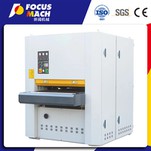
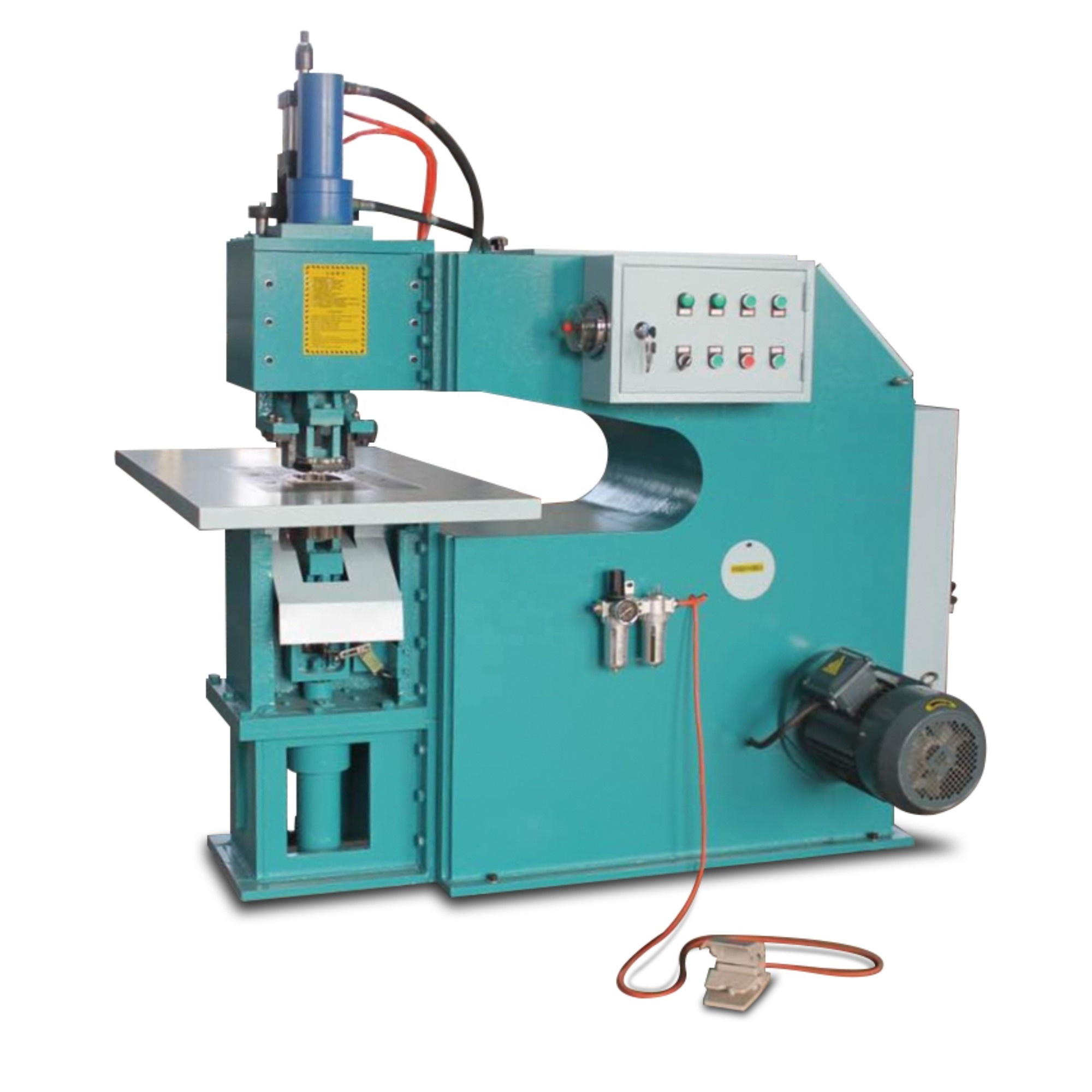
The plywood veneer patching machine transports veneers to the work area via a conveyor system. A vision inspection unit scans the surface and marks defect locations. A robotic arm equipped with specialized cutting tools moves to the designated spot to perform precise removal, then inserts a pre-made patch. Finally, pressure and heat are applied to bond the patch securely to the base material. The entire process is fully automated, requiring no manual intervention.
Key Selection Parameters
- Processing Size Range: Choose based on the maximum and minimum veneer dimensions required for production.
- Patching Precision Level: Standard (±0.2mm), Precision (±0.1mm), High Precision (±0.05mm).
- Production Capacity: Measured by the number of veneers processed or patching points per hour.
- Material Compatibility: Different machines support varying wood species and veneer thicknesses.
Operational Considerations
- Ensure veneer moisture content is between 8%-12% before processing.
- Adjust cutting depth parameters according to veneer thickness.
- Regularly check patch inventory to ensure uninterrupted automatic feeding.
- Never open safety doors during operation.
Common Troubleshooting
- High Recognition Error: Clean camera lenses and recalibrate the vision system.
- Patch Detachment: Verify heat press temperature and duration settings.
- Uneven Cutting: Replace worn blades and adjust cutting speed.
- Inaccurate Positioning: Check servo encoders and guide rail conditions.
Technological Trends
The next generation of plywood veneer patching machines is evolving in the following directions:
- Integration of 3D scanning for volumetric defect detection.
- Laser-assisted cutting for higher precision.
- Development of self-healing patch materials for enhanced durability.
- IoT-enabled remote monitoring and predictive maintenance.
Proper selection and operation of plywood veneer patching machines can significantly improve product quality and increase economic benefits for manufacturers.